
D3 Academy

Interceptor UAV Crew Training

For a school that will train crews from scratch to the level of professional execution of combat missions, theoretical, simulation-based, technical, and practical training on the interceptor UAV platform is required.

Basic Requirements

Lecture room

  • screen / projector
  • workstations for 10 participants
  • instructor area
  • whiteboard / flip chart
  • access to training materials

Simulation area

  • control unit simulator
  • controllers
  • laptop
  • basic flight scenarios
  • trainee assessment
  • progress log

Workshop

  • tables for assembly / inspection
  • tools
  • battery storage area
  • component storage area

Field training site

  • approved flight area
  • perimeter control
  • launch zone
  • landing / flight completion zone
  • crew area

Training
Center Team

Structure of the personnel required to effectively conduct the basic and professional courses.

Minimum team:

Training Program Manager
Chief Instructor
Simulation Training Instructor
Technical Instructor
Assistant

Basic Training For Interceptor UAV Crews

Target group

10 participants with no previous flight experience.

Recommended duration

Approximately 10 training days.

Result

Basic training of an interceptor UAV operator who is able to perform flights under instructor supervision.
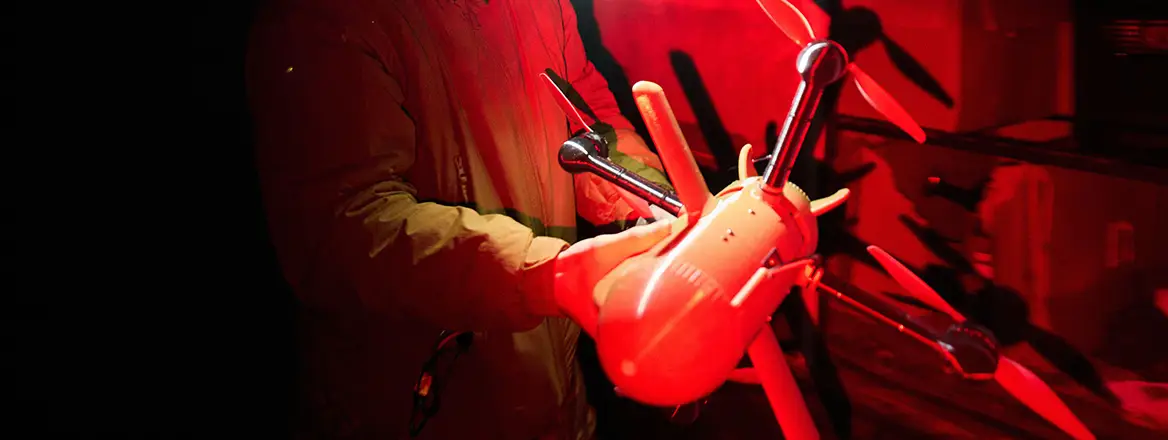
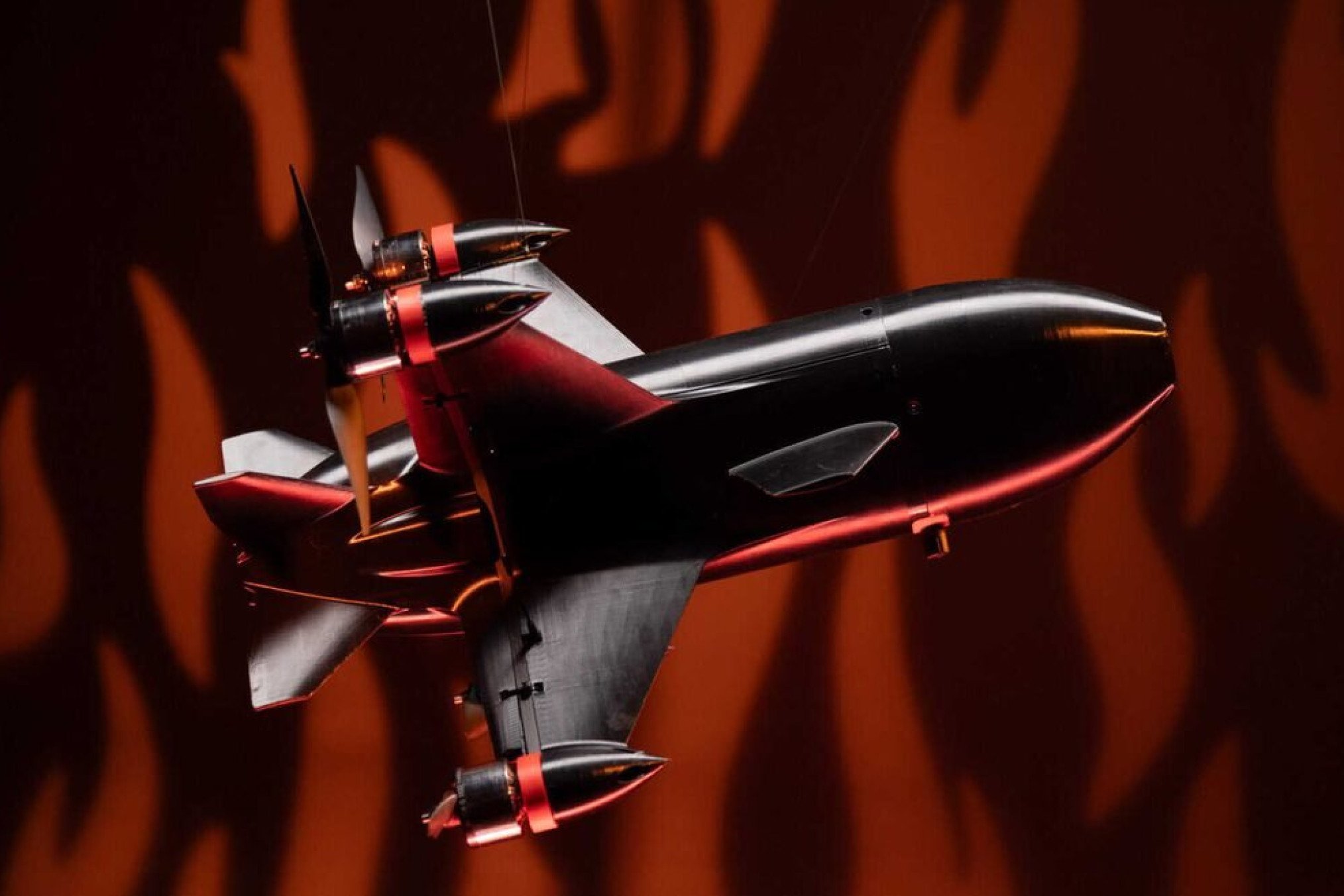
Basic Interceptor Drone

Basic Structure

1. Introduction

  • role of interceptor UAVs in countering aerial threats
  • basic understanding of platform class
  • differences from FPV, multirotors, fixed-wing
  • capabilities, limitations, risks

2. Aviation safety

  • rules for staying at training site
  • safety zones
  • flight clearance procedure
  • actions in abnormal situations
  • operating discipline

3. Platform structure

  • main components
  • ground equipment
  • power supply
  • control system
  • basic principles of flight prep

4. Simulation

  • basic control skills
  • operator motor skills
  • flight stabilization
  • interface operation
  • standard training scenarios
  • clearance for practical phase

5. Ground prep

  • preparation of workstation
  • platform preparation
  • checklist-based operations
  • role distribution
  • pre-flight briefing & check

6. Practical flights

  • first flights under supervision
  • basic platform control
  • execution of training task
  • safe flight completion
  • post-flight debrief

7. Maintenance

  • post-flight inspection
  • identification of typical damage
  • storage rules
  • battery handling
  • maintenance log keeping

8. Certification

  • theoretical test
  • simulator assessment
  • ground & flight assessment
  • individual performance card
  • certificate of completion
Pro Interceptor Drone

Professional Training For Interceptor UAV Crews

Target group

Participants who have already completed basic training or have confirmed flight experience.

Recommended duration

Approximately 7 training days.

Result

Training of a crew ready to perform combat missions.

Pro Structure

1. Crew formation

  • operator role
  • crew commander role
  • technical specialist role
  • observer / coordinator
  • area of responsibility
  • role interchangeability

2. Mission prep

  • task analysis & conditions
  • crew & platform preparation
  • workstation preparation
  • equipment check
  • pre-mission briefing
  • checklist-based operations

3. Team coordination

  • standardized communication
  • short commands
  • information transfer
  • operating under pressure
  • decision-making

4. Simulation missions

  • mission practice in simulator
  • coordination without real flight
  • standard training scenarios
  • response to changing conditions
  • actions in case of errors

5. Ground crew

  • site preparation
  • equipment deployment
  • readiness check
  • procedure-based operations
  • preparation time control

6. Flight missions

  • execution of combat task
  • crew operation during flight
  • adherence to assigned roles
  • communication during flight
  • safe flight completion

7. Abnormal situations

  • loss of operational stability
  • operator error / tech malfunction
  • changing conditions
  • need to terminate the flight
  • team actions by procedure

8. Post-mission debrief

  • analysis of crew actions
  • error analysis
  • technical inspection
  • role performance assessment
  • conclusions & recommendations